
Warum HSR für Sim-Racing-Windsimulatoren wählen
HSIMRACING baut Windsimulatoren für Sim-Racer, die mehr als improvisierte Kühlung wollen. Seit 2018 wird jede Produktreihe aus der Perspektive eines Rennfahrers entwickelt, mit einem klaren Ziel: nützlichen Luftstrom, saubere Integration und eine Produktpalette, die zu echten Setups passt – vom Einsteiger-Rig bis zur professionellen Installation.
Diese Seite vergleicht HSR mit DIY-Bauten und generischen Alternativen und stützt sich dabei ausschließlich auf die aktuell öffentlich auf der Website genannten Angaben.
1. Ein vollständiges Sortiment – vom Einstieg bis zur Elite
HSR verlässt sich nicht auf ein einzelnes Flaggschiff. Das Sortiment umfasst vier unterschiedliche Stufen, damit Sim-Racer ein System wählen können, das zu ihrem Budget, ihren Montagebedingungen und ihren Zielen passt.
- Club Series — Eco, Spot und Eco Duo. Ein Plug-and-Play-Einstieg, um einem Rig echten Luftstrom hinzuzufügen.
- Sport Series — Sport und Sport Duo. Eine feinere Verarbeitung mit Aluminium-Luftauslässen und linearer manueller Steuerung.
- Pro Series — Pro, Pro Smart und Pro Boost. 260+ CFM, USB-gesteuerter Digitalmotor und native SimHub-Kompatibilität.
- Elite Series — Elite Solo und Elite. Die Serie, die Velocity-Stack- und Quick-Mount-Technologien einführt.
Diese Tiefe zählt. Sie bedeutet, dass HSR unterschiedliche Anwendungsfälle bedienen kann, ohne allen Kunden dieselbe Produktphilosophie aufzuzwingen.
2. Elite-exklusive Technologien, nicht nur kosmetische Unterschiede
Unsere stärkste technische Differenzierung steckt in der Elite-Serie. Dort kommen zwei Technologien zum Einsatz, die es ausschließlich in diesen Produkten gibt.
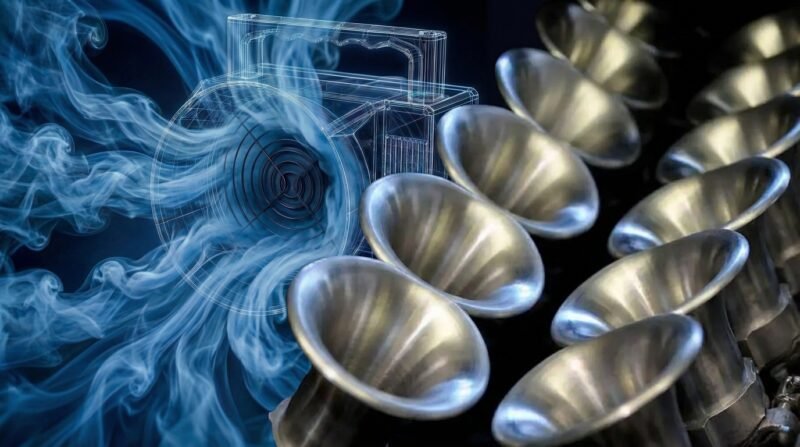
Velocity Stack
Für die Elite-Serie beschreibt HSR eine proprietäre Einlassgeometrie, die die Luftmasse vor dem Kontakt mit den Flügeln beschleunigt. Das angegebene Ergebnis: +20 % statischer Druck und -20 % wahrgenommenes Geräusch. Auf der aktuellen Website wird dies als Elite-exklusive Technologie dargestellt.
Quick-Mount-System
Auch das Quick-Mount-System bleibt der Elite-Serie vorbehalten. Der Zweck ist simpel: Das Rig lässt sich schneller umbauen, ohne fest verschraubte Montage.

Motorsport-Komponenten dort, wo sie zählen
Immersion ist nicht nur das, was man beim Fahren spürt, sondern auch das, was aus dem eigenen Rig wird. Deshalb arbeiten die Serien Pro und Elite mit echten Luftausströmern aus GT-Rennwagen, und deshalb nutzt die UltraSport-Option die Aluminium-Ausströmer, wie sie in aufgebauten Rennwagen verbaut sind, statt Kunststoffteilen, die nur so aussehen sollen. In dieser Balance aus Luftstrom, Komfort und Hardware, die tatsächlich ins Auto gehört, stecken Jahre an Entwicklungsschleifen. Schläuche und Ausströmer verändern außerdem, wie ein Rig auf den ersten Blick wirkt: vollständiger, mechanischer, näher an einem echten Cockpit als an einem Schreibtisch mit Ventilator daneben. Beim Elite sitzt der Velocity Stack so sichtbar im Einlass, dass schon mehr als ein Besitzer gescherzt hat, das Teil sehe aus, als hätte es die NASA entworfen.
3. Vertrauenssignale aus echten Installationen
Der klarste öffentliche Nachweis auf der Website ist der ULTRAWIND PRO, der als das Modell vorgestellt wird, das über eine Partnerinstallation auf Sébastien Loebs Simulator verbaut ist.
Unsere Systeme sind außerdem bei etablierten Sim-Racing-Marken wie Oplite, Sim-Lab und Imsim verbaut und im täglichen Einsatz. Diese Partner-Referenzen zählen, weil sie zeigen, dass die Produkte nicht nur für den isolierten Direktverkauf ausgelegt sind, sondern auch für professionelle Umgebungen und Partnerintegrationen.
Weitere Hintergrundinformationen finden Sie auf der Seite Partner.
4. Seit 2018 in Frankreich gefertigt

HSIMRACING betont eine einfache, aber wichtige Positionierung: Das Unternehmen ist seit 2018 aktiv, und die Produkte werden in Sarrebourg, Frankreich entwickelt und gefertigt.
Unser Gründer Julien Raidelet ist Rennfahrer. Entsprechend ist die Marke eine Werkstatt, die aus Erfahrung auf der Rennstrecke gewachsen ist, und kein marketinggetriebener Katalog. Dieser Hintergrund zählt im Vergleich mit generischen Alternativen, weil die Produktlogik über die gesamte Palette hinweg dieselbe bleibt.
Mehr dazu finden Sie auf der Seite Über uns.
5. Native SimHub-Integration als zentraler Produktvorteil
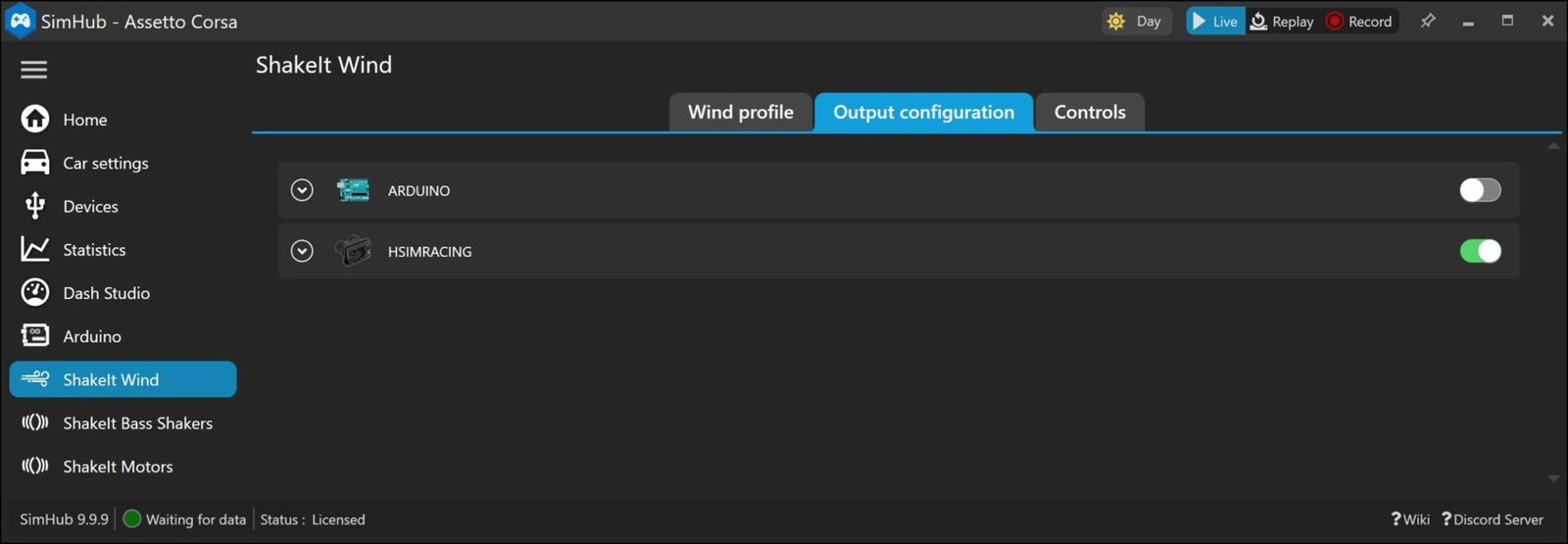
Die native SimHub-Integration ist bei uns eine bewusste Entwicklungsentscheidung. Das Prinzip ist unkompliziert: USB-C-Kabel einstecken, SimHub öffnen, das System läuft. Ohne Treiber, ohne proprietäre Software.
Unsere Systeme sind mit über 70 unterstützten Spielen kompatibel, darunter Assetto Corsa, iRacing, rFactor 2, F1 und Gran Turismo. Wer als Sim-Racer Lösungen vergleicht, spart sich damit Aufwand bei der Einrichtung und bindet das System ohne Umwege in ein bestehendes, telemetriegestütztes Rig ein.
6. Wie die Luft Sie tatsächlich erreicht
Die meisten Windsimulatoren richten die Turbinen direkt auf den Fahrer, montiert auf einer Platte in der Nähe der Lenkbasis. UltraWind trennt beide Funktionen: Die Ventilatoreinheit wird dort installiert, wo am Rig Platz ist, und die Luft gelangt durch Schläuche zu Auslässen auf flexiblen Schwanenhalsarmen.
- Sie wählen die Höhe des Luftstroms: Gesicht, Brust oder Füße.
- Sie können die Auslässe während der Fahrt von Hand neu ausrichten.
- In VR erreicht die Luft Ihr Gesicht, statt gegen das Headset zu treffen.
Das ist der zentrale architektonische Unterschied zu Systemen, die einen Ventilator aus einer festen Position direkt auf den Fahrer richten.
7. Die Montage erfordert kein Aluminiumprofil
Das System lässt sich an Aluminiumprofilen jeder Größe montieren, ist aber nicht darauf beschränkt. Es passt ebenso an Rohre, an Holz und an geschweißte Konstruktionen, mithilfe von Winkeln, Schraubadaptern und langen Spannschellen.
Die Community-Galerie zeigt Dutzende unterschiedlicher Konfigurationen auf sehr verschiedenen Rig-Typen.
8. Mehrere Einheiten an einem PC
Jede Ventilatoreinheit trägt eine eindeutige Seriennummer, die von ihrem Mikrocontroller abgeleitet ist. Mehrere Einheiten am selben PC bleiben daher in SimHub einzeln ansprechbar.
Eine konkrete Konfiguration: vier Auslässe, mit einer Einheit links und einer rechts, unabhängig angesteuert, dazu eine dritte Einheit auf die Füße gerichtet, um dem Gefühl eines offenen Monopostos näherzukommen.
9. Wie laut ist es? Eine ehrliche Antwort
Bewegte Luft erzeugt Geräusch. Das gilt für jeden Windsimulator, unabhängig von der Marke: Das ist Physik, kein Konstruktionsfehler. Beeinflussen lässt sich das Verhältnis von Luftstrom zu Geräusch, nicht die Abwesenheit von Geräusch.
Hier geht die Elite-Reihe am weitesten: Ihr Velocity-Stack-Einlass ist darauf ausgelegt, mehr statischen Druck zu liefern und dabei das erzeugte Geräusch zu senken, statt einfach langsamer zu drehen.
Die gemessenen Geräuschpegel stehen auf den Produktseiten, damit die Wahl auf Zahlen beruht und nicht auf einer Behauptung.
10. Versand in über 45 Länder
HSIMRACING hat Bestellungen in mehr als 45 Länder geliefert, vom Heim-Rig bis zur professionellen Installation. Die Windsimulator-Reihe ist seit 2018 durchgehend in Produktion.
Die Grundarchitektur ist in diesem Zeitraum unverändert geblieben, weshalb Schläuche und Auslässe über die Generationen hinweg kompatibel bleiben.
11. Warum native SimHub-Unterstützung den Käufer schützt
Hardware, die von der eigenen Anwendung eines Herstellers gesteuert wird, hängt davon ab, dass dieser Hersteller am Markt bleibt und die Software weiter pflegt. Fällt eines von beiden weg, kann die Hardware unbrauchbar werden, obwohl physisch nichts defekt ist.
Ein realer Fall: Ein Kunde besitzt einen Motion-Sitz, dessen Hersteller die Softwarepflege eingestellt hat. HSR hat ein Plugin geschrieben, das der alten Anwendung vorspielt, sie steuere das System weiterhin, während in Wirklichkeit SimHub dahinter arbeitet. Der Sitz blieb damit für alle Besitzer dieses Modells nutzbar.
12. RGB-Auslässe: Renninformationen im Sichtfeld
Die Luftauslässe können leuchten, links und rechts unabhängig von SimHub angesteuert: blaue und gelbe Flaggen, Blinken des Pit-Limiters und ein Näherungsradar, das auf der Seite rot aufleuchtet, von der ein Fahrzeug kommt.
In sehr kleinen Serien von Hand gefertigt, daher nur begrenzt verfügbar.
13. Was nach dem Kauf passiert
- Der Gründer beantwortet jede Nachricht persönlich. Eine Antwort kann durchaus abends oder am Wochenende eintreffen. Das ist kein zugesichertes Service-Level, es passiert einfach, weil die Person, die antwortet, für das Thema wirklich brennt.
- Individuelle SimHub-Profile werden auf Anfrage geschrieben.
- Wenn ein günstigeres Modell besser passt, wird genau dieses empfohlen, auch wenn der Verkauf dadurch kleiner ausfällt.
14. HSR vs. DIY und generische Alternativen
| Kriterium | HSR-Windsimulatoren | PC-Lüfter / DIY | Generische Alternativen |
|---|---|---|---|
| Sortimentstiefe | Vier Stufen: Club, Sport, Pro, Elite | Hängt davon ab, was Sie selbst bauen | Je nach Marke, oft eingeschränkter |
| SimHub-Integration | Native Integration auf den HSR-Windsimulator-Seiten hervorgehoben | Erfordert meist einen individuellen Ansatz | Je nach Produkt unterschiedlich |
| Exklusive Technologien | Velocity Stack und Quick-Mount bei Elite | Keine HSR-exklusiven Technologien | Je nach Produkt unterschiedlich |
| Öffentliche Vertrauenssignale | Partnerinstallation bei Sébastien Loeb, Oplite, Sim-Lab, Imsim | Kein markenweites Vertrauenssignal | Je nach Marke |
| Fertigungsgeschichte | Wird als in Frankreich seit 2018 entwickelt und gefertigt dargestellt | Eigenbau | Je nach Marke |
| Upgrade-Pfad | Vom Einsteiger-Rig bis zur Premium-Konfiguration | Hängt von jedem Bau ab | Je nach Katalog |
| Architektur des Luftstroms | Ventilatoreinheit frei platzierbar, Luft über Schläuche zu Auslässen auf Schwanenhalsarmen | Ventilator meist direkt auf den Fahrer gerichtet | Meist ein Ventilator, der von einer festen Platte auf den Fahrer zielt |
| Montagekompatibilität | Aluminiumprofil jeder Größe, Rohr, Holz, geschweißte Konstruktion | Hängt vom Eigenbau ab | Oft an eine bestimmte Montageplatte gebunden |
| Adressierung mehrerer Einheiten | Eindeutige Seriennummer je Einheit, in SimHub unabhängig ansprechbar | Nicht verfügbar | Je nach Produkt unterschiedlich |
| Softwareabhängigkeit | Natives SimHub, keine proprietäre Anwendung nötig | Eigener Code, selbst zu pflegen | Oft eine Herstelleranwendung |
Das ist der praktischste Unterschied: HSR verkauft nicht nur einen Lüftereffekt. Die Marke bietet eine vollständige Serie, einen klaren Upgrade-Pfad und identifizierbare Technologien, die an konkrete Produkte gebunden sind.
15. Häufige Fragen vor der Entscheidung
Produkt und Technik
Brauche ich ein bestimmtes Rig oder ein Aluminiumprofil für die Montage?
Nein. Das System lässt sich auf Aluminiumprofilen der Serien 20, 30, 40 und 45 montieren, mit Nut 8 ebenso wie mit Nut 10. Wir liefern M8-Schrauben und Nutensteine mit, und unsere Teile sind für M8-Innensechskantschrauben gebohrt. Unsere eigene Referenz ist das Profil 40 x 40 mit Nut 10, das in Rahmen für Sim Racing verwendet wird. Und wenn Ihr Cockpit gar nicht aus Aluminiumprofil besteht, sind Sie trotzdem versorgt: Winkel, Schraubadapter und lange Klemmschellen erlauben die Befestigung an Rohren, Holz oder einer geschweißten Konstruktion. Die Community-Galerie zeigt Dutzende verschiedener Rig-Typen.
Funktioniert es mit iRacing, Assetto Corsa oder Le Mans Ultimate?
Ja. Der Luftstrom wird über die SimHub-Telemetrie gesteuert, die mehr als 70 Titel unterstützt, darunter iRacing, Assetto Corsa, rFactor 2, F1 und Gran Turismo. Eine spezifische Integration pro Spiel ist auf Ihrer Seite nicht nötig.
Ist ein Windsimulator laut, und welches Modell passt in einen ruhigen Raum?
Ja, bewegte Luft macht Geräusche, bei jedem System und jeder Marke. Der Unterschied liegt im Verhältnis von Luftstrom zu Geräusch. Die gemessenen Schallwerte stehen auf jeder Produktseite, Sie können also vergleichen statt einer Behauptung zu vertrauen. Für einen ruhigen Raum oder geschlossene Kopfhörer wählen Sie besser ein moderateres Modell als die stärkste Ausführung der Reihe.
Funktioniert es mit VR?
Ja, und die Architektur hilft hier. Da die Auslässe auf flexiblen Schwanenhalsarmen sitzen und nicht von einer festen Platte aus zielen, lässt sich die Luft auf Ihr Gesicht richten, statt gegen das Headset zu treffen.
Ist HSR nur für High-End-Rigs gedacht?
Nein. Unser Katalog reicht von den Einsteigerprodukten der Club Series bis zu den Elite-Systemen, und genau diese Bandbreite ist einer unserer größten Unterschiede.
Welches HSR-Modell ist auf Sébastien Loebs Simulator verbaut?
Der ULTRAWIND PRO ist das Modell, das im Rahmen einer Partner-Installation auf Sébastien Loebs Simulator läuft.
Was unterscheidet die Elite-Serie?
In der Elite-Reihe führen wir unsere Technologien Velocity Stack und Quick-Mount ein.
Wo wird die Ventilatoreinheit am Rig platziert?
Dort, wo Platz ist: hinter dem Sitz, unter dem Rig oder seitlich. Die Einheit muss nicht zu Ihnen zeigen, denn die Luft wird über Schläuche zu den Auslässen geführt, und nur diese müssen vor Ihnen positioniert werden.
Kann ich zwei Einheiten für links und rechts verwenden?
Ja. Jede Einheit hat eine eindeutige Seriennummer, die von ihrem Mikrocontroller abgeleitet ist. Mehrere Einheiten am selben PC bleiben in SimHub einzeln ansprechbar und lassen sich unabhängig ansteuern.
Benötigen HSR-Windsimulatoren proprietäre Software?
Nein. Native SimHub-Integration, keine Treiber, keine proprietäre Software.
Was passiert, wenn Sie das Produkt nicht mehr unterstützen?
UltraWind-Systeme werden direkt von SimHub angesteuert, nicht von einer proprietären HSR-Anwendung. Sie hängen also nicht davon ab, dass ein einzelnes Unternehmen seine eigene Software am Leben hält. HSR hat sogar ein Plugin geschrieben, um einen vom eigenen Hersteller aufgegebenen Motion-Sitz zu retten.
Wie kann ich meinen Rennsimulator verbessern?
Jede Verbesserung, die Immersion hinzufügt, nimmt in der Regel etwas an Komfort weg: VR setzt Ihnen für eine ganze Session ein warmes Headset auf, eine Direct-Drive-Basis über 10 Nm verlangt den Armen echte körperliche Arbeit ab, und ein Motion-Rig schüttelt Sie einen kompletten Stint lang durch. Der Luftstrom ist die Ausnahme, und genau das macht ihn wissenswert, denn er ist die einzige Verbesserung, die Immersion und Komfort zugleich bringt, weshalb er sich auch so gut mit allen anderen verträgt. Ansonsten verbessert sich ein Rig in einer recht vorhersehbaren Reihenfolge. Eine Direct-Drive-Basis verändert, wie viel das Auto über das Lenkrad mitteilt. Ein Bremspedal mit Kraftmesszelle macht Rundenzeiten wiederholbar, weil Bremsen zur Frage des Drucks wird und nicht des Wegs. Triple-Screen oder VR erweitern, was Sie von der Strecke tatsächlich sehen. Motion und Haptik kommen meist zuletzt, weil sie im Verhältnis zum Nutzen am teuersten sind. An den Luftstrom denkt fast niemand zuerst, dabei ist er der günstigste der Liste: Geschwindigkeit wird zu etwas, das Sie spüren statt ablesen, ein langer Stint ist nicht mehr unangenehm warm, und das tiefe Brummen des Motors mit der leichten Vibration, die es ins Cockpit überträgt, lässt das Rig lebendig statt statisch wirken. Und Immersion ist nicht nur, was Sie beim Fahren spüren: Sie steckt auch darin, was das Rig wird. Ein echter Schalensitz, ein echter Lenkradkranz oder echte GT-Luftauslässe verändern, wie vollständig und wie ernsthaft das Ganze wirkt, auf eine Weise, die ein generisches Zubehörteil nie erreicht.
Bestellung, Lieferung und Betreuung
Wann wird meine Bestellung versendet?
Wir versenden innerhalb von 2 Werktagen. In der Praxis ist es oft noch am selben oder am nächsten Tag, aber wir nennen lieber eine Frist, die wir immer einhalten, als ein Versprechen, das sich nicht immer halten lässt. Sobald das Paket dem Transporteur übergeben ist, erhalten Sie eine E-Mail mit der Sendungsnummer.
Wie lange dauert die Lieferung?
Rechnen Sie nach dem Versand mit etwa 2 Tagen in Frankreich und 5 Tagen in Europa, der Rest der Welt hängt vom Zielort ab. Diese Zeiten kommen zur Versandfrist hinzu, in Frankreich also insgesamt etwa 3 bis 4 Tage.
Muss ich Zollgebühren zahlen, wenn ich aus den USA bestelle?
Nein. Bei Lieferungen in die USA werden Zoll und Einfuhrabgaben von HSIMRACING vorausbezahlt und sind bereits in den beim Bezahlvorgang angezeigten Versandkosten enthalten. Bei Ankunft des Pakets ist nichts weiter zu zahlen. Innerhalb der Europäischen Union fallen überhaupt keine Zollgebühren an. Für andere Ziele können lokale Einfuhrabgaben gelten.
Wie verfolge ich mein Paket?
Die Sendungsnummer wird Ihnen automatisch per E-Mail geschickt, sobald der Transporteur das Paket übernimmt, zusammen mit einem Tracking-Link. Sie bleibt außerdem jederzeit in Ihrem Konto unter Bestellungen sichtbar. Bis zum ersten Scan können vierundzwanzig Stunden vergehen, das ist normal.
Wird mein Exemplar einzeln geprüft?
Jeder Lüfter, den wir bauen, wird vor dem Verlassen der Werkstatt geprüft, ohne Ausnahme. Die Reihen Pro und Elite gehen weiter: Sie werden mit einem unterschriebenen, personalisierten Prüfprotokoll ausgeliefert, das ihre Fertigungsnummer und die vollständige Liste der Prüfpunkte trägt, von der Lagerkontrolle bis zum verlängerten Volllasttest. Das ist keine Stichprobe. Ihr Exemplar wurde geprüft.
Welche Zahlungsmittel akzeptieren Sie?
Visa, Mastercard, Maestro, Cartes Bancaires, V Pay, American Express, PayPal, Apple Pay und Google Pay. Keine Bankdaten laufen über unsere Website. Die Logos werden auf der Startseite und beim Bestätigen des Warenkorbs erneut angezeigt.
Kann ich meine Bestellung zurückgeben?
Ja, im Rahmen des europäischen Widerrufsrechts. Die genauen Bedingungen stehen auf unserer Seite Rückgabe und Erstattung. Ein Punkt, den Sie kennen sollten: Bei einer Bestellung in die Vereinigten Staaten sind die vorausbezahlten Zollgebühren nicht erstattungsfähig, da sie bereits an die Behörde abgeführt wurden.
Was tun, wenn mein Paket beschädigt ankommt oder verloren geht?
Melden Sie es uns so schnell wie möglich an contact@hsimracing.com, mit Fotos des Pakets und des Inhalts. Ist die Verpackung bei der Zustellung sichtbar beschädigt, verweigern Sie die Annahme oder vermerken Sie einen schriftlichen Vorbehalt auf dem Beleg des Zustellers, das vereinfacht den Vorgang erheblich. Alle unsere Sendungen sind versichert, und wir kümmern uns selbst um die Reklamation beim Transporteur, Sie müssen das nicht tun. Sie erhalten Ersatz oder eine Erstattung, ohne den Ausgang dieser Reklamation abzuwarten. Bisher ist der Fall nie eingetreten, aber das Verfahren steht.
Was bedeutet "auf Bestellung gefertigt" auf einer Produktseite?
Das kommt selten vor und betrifft nur ein vorübergehend nicht verfügbares Modell. Es wird dann für Sie montiert, und die Seite nennt eine Frist von etwa einem Monat, passend zum nächsten Fertigungsfenster. Wenn Sie vor der Bestellung ein genaueres Datum möchten, schreiben Sie uns über das Kontaktformular oder auf WhatsApp. Andernfalls teilen wir es Ihnen mit, sobald die Bestellung eingegangen ist.
Bereit, die richtige HSR-Serie zu wählen?
Wenn Sie den einfachsten Einstieg wollen, beginnen Sie mit der Club-Serie. Wenn Sie das beim Partner installierte Referenzmodell wollen, schauen Sie sich die Pro-Serie an. Wenn Sie HSRs fortschrittlichste Technologien wollen, entdecken Sie die Elite-Serie.